Setup your printer now

Enter your printer name or model number to get the right smart software and drivers for your printer.

Printer Driver Installation Failed: Fatal error C0000022 occurred. Chat with our support team for a solution. Caution: Any further installation attempts may result in damage to the printer and loss of warranty coverage.
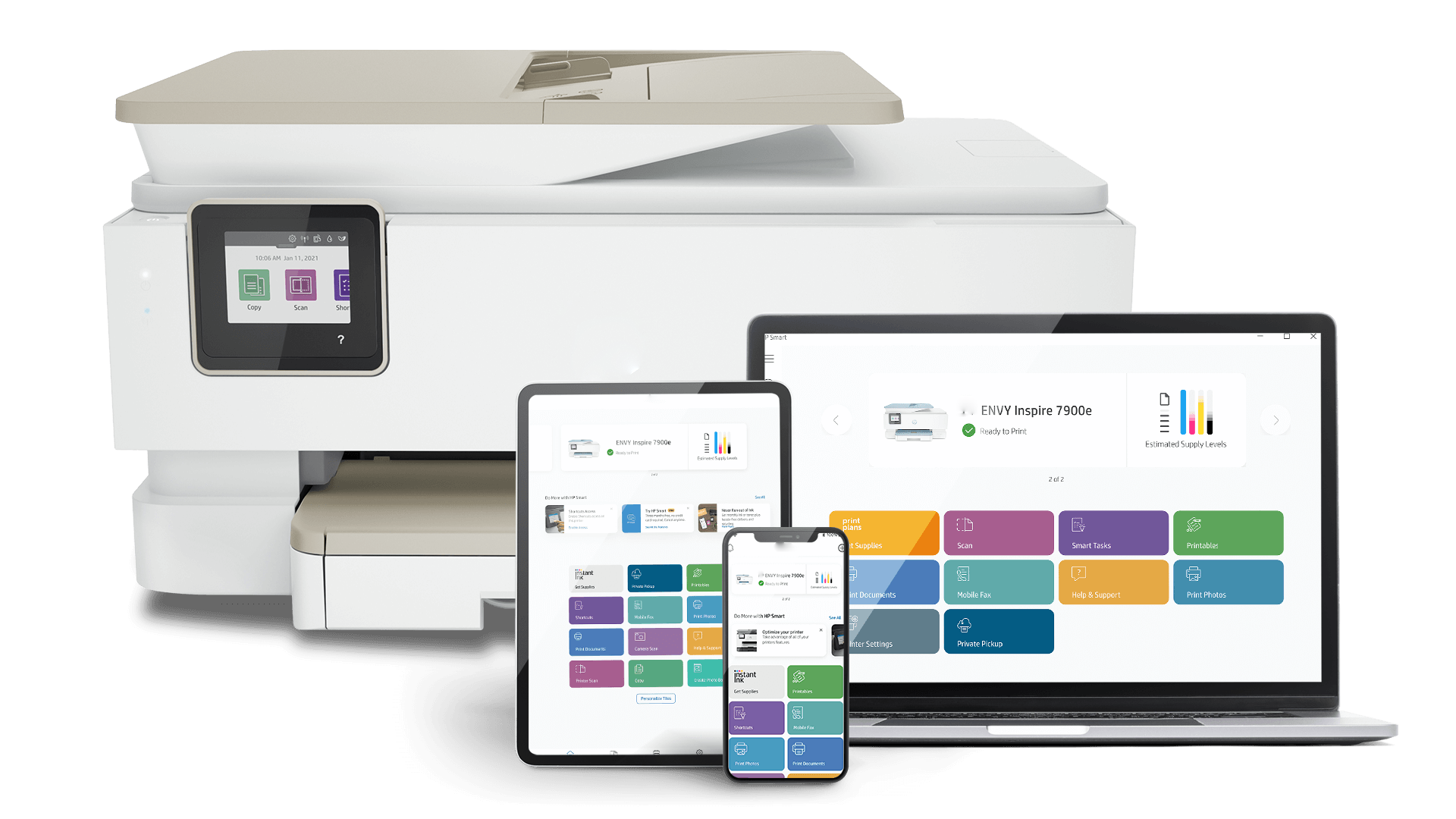
Printer Setup Devices
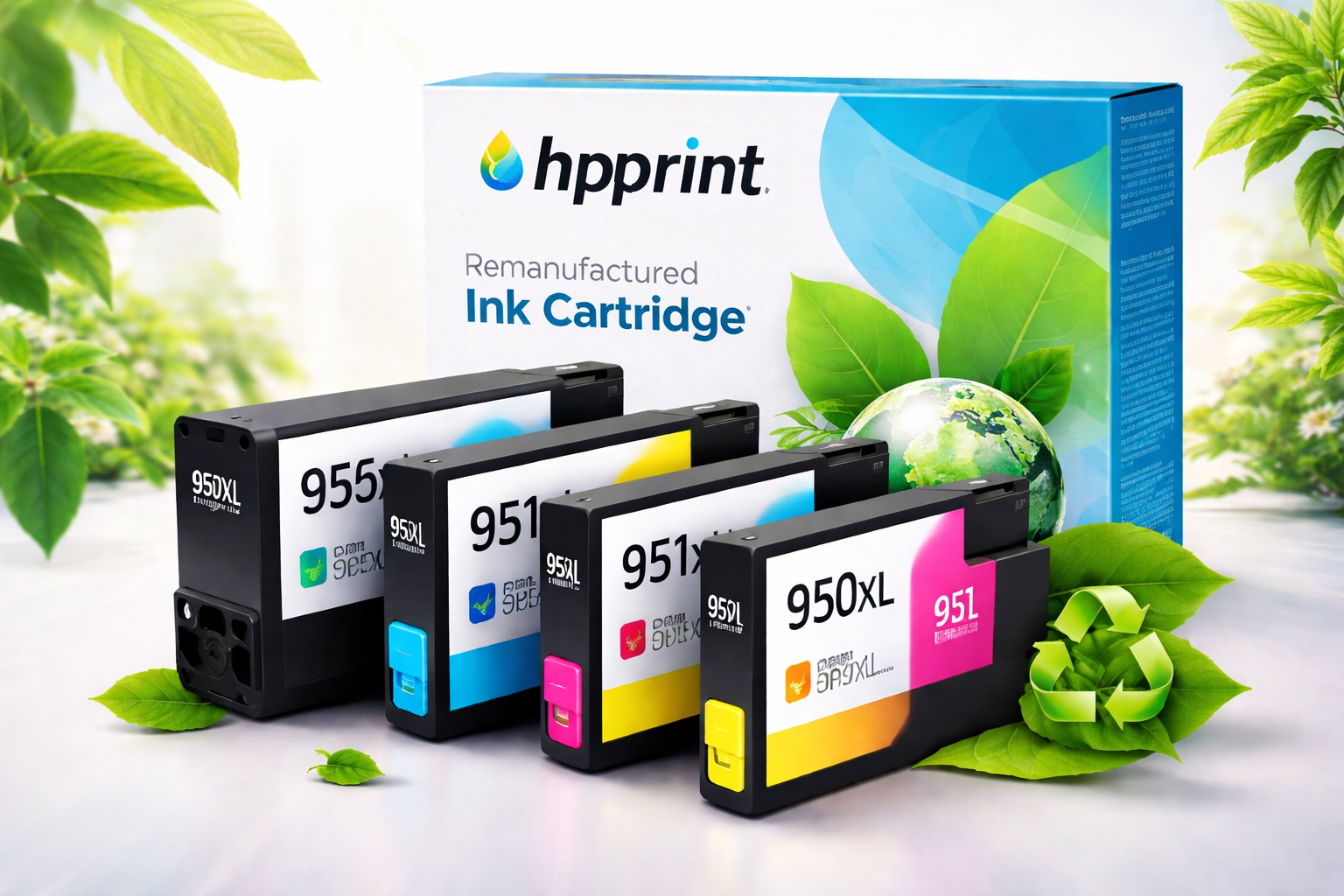
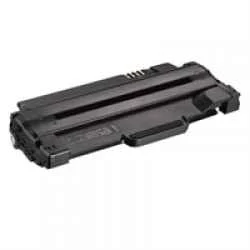
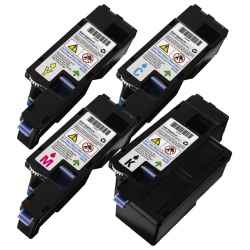
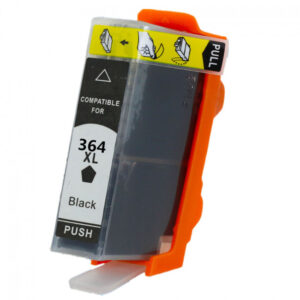
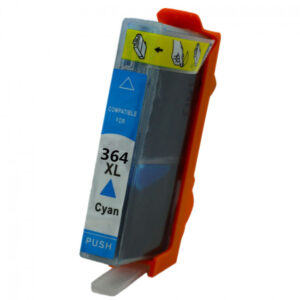
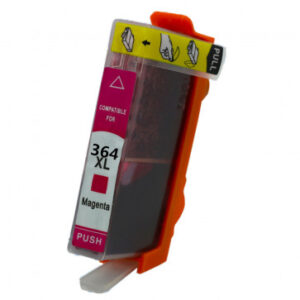
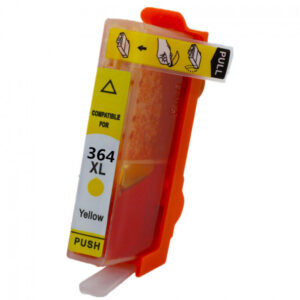
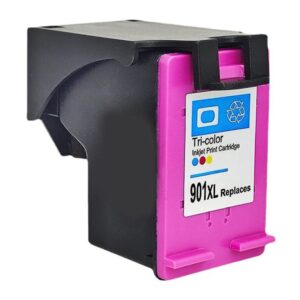
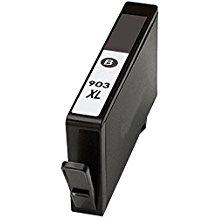
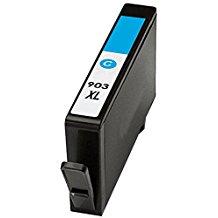
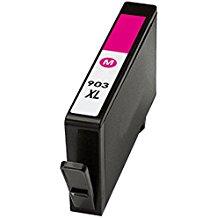
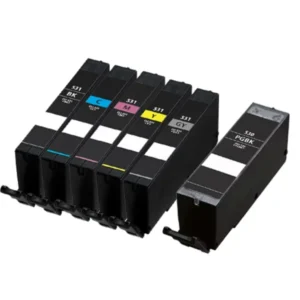
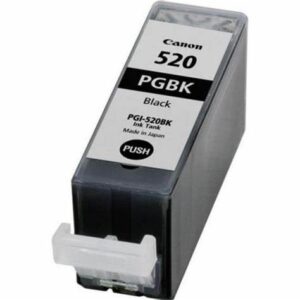
High-Performance Remanufactured Cartridges at Up to 80% Less

Stop Overpaying for Ink. Start Printing Smarter.

Experience sharp text, vibrant colors, and reliable results without the premium price tag. At hpprint, we deliver professionally tested ink cartridges that help you save more on every page while supporting eco-friendly printing solutions. Smarter savings. Trusted quality. Sustainable choice.

Smart Printing

Affordable Reliable Sustainable

Ink Excellence

Sharp Vibrant Consistent

Budget Advantage

Maximum Savings Guaranteed

Eco Commitment

Reduce Reuse Recycle

Premium Offers

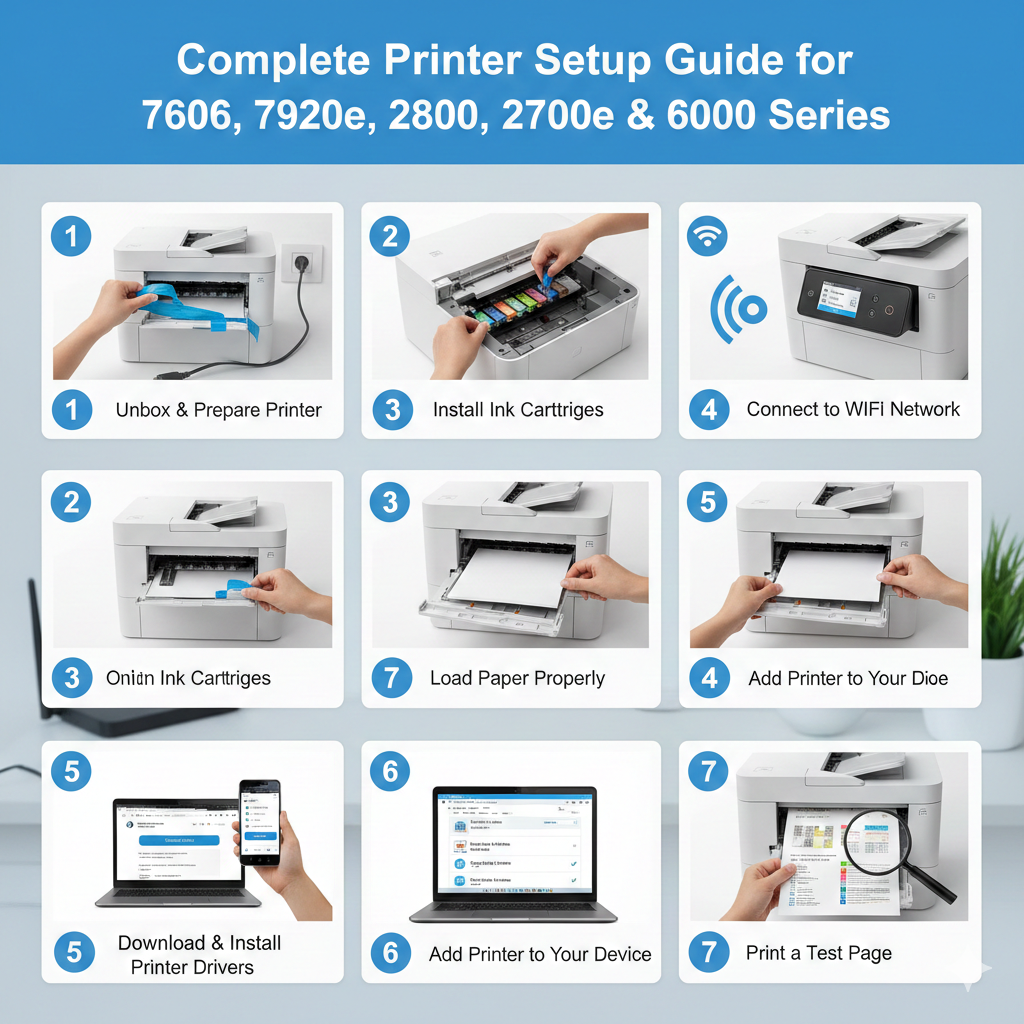
Complete Printer Setup Guide for 7606, 7920e, 2800, 2700e and 6000 Series


Setting up a new printer can feel overwhelming, especially when dealing with different models like the 7606, 7920e, 2800, 2700e, and 6000 series. However, with the right steps, you can quickly get your printer connected, configured, and ready to produce high-quality prints. This complete setup guide will walk you through everything you need to know for a smooth installation process.

Step 1: Unbox and Prepare Your Printer


Start by carefully unboxing your printer and removing all protective tapes and packaging materials. Place the printer on a flat, stable surface near a power outlet and within range of your WiFi router. Plug in the power cable and turn the printer on. Follow the on-screen instructions to select your language, region, and basic preferences.

Step 2: Install Ink Cartridges


Open the ink cartridge access door and install the cartridges that came with your printer. Make sure each cartridge clicks securely into place. Many printers from brands like HP include setup cartridges specifically for initial installation. Once installed, close the access door and allow the printer to initialize and align the cartridges automatically.

Step 3: Load Paper Properly


Pull out the input tray and adjust the paper guides. Load plain A4 or letter-size paper neatly into the tray without overfilling it. Proper paper alignment helps prevent paper jams and ensures accurate print quality during setup testing.

Step 4: Connect to WiFi Network

For wireless models in the 7606, 7920e, 2800, 2700e, and 6000 series, select the Wireless Setup option from the control panel. Choose your WiFi network from the list and enter your password carefully. Once connected, the printer should display a confirmation message. A stable internet connection is important for driver downloads and firmware updates.

If the printer fails to connect, restart your router and printer, then try the connection process again.

Step 5: Download and Install Printer Drivers

On your computer or laptop, visit the official printer manufacturer’s website and download the latest drivers for your specific model. Install the software and follow the on-screen instructions to complete the setup. Updated drivers ensure compatibility with your operating system and help avoid errors such as “printer driver unavailable.”

For mobile setup, download the recommended printing app from your device’s app store and follow the guided installation process.

Step 6: Add Printer to Your Device

On Windows or Mac, go to system settings and select “Add Printer.” Your device should automatically detect the printer if it is connected to the same WiFi network. Select your printer model and complete the installation.

Step 7: Print a Test Page

Finally, print a test page to confirm everything is working correctly. Check alignment, color accuracy, and clarity. If any issue appears, run the built-in maintenance tools such as printhead cleaning or alignment from the printer settings.

By following these steps carefully, you can complete the setup process smoothly and ensure your printer operates efficiently from day one.

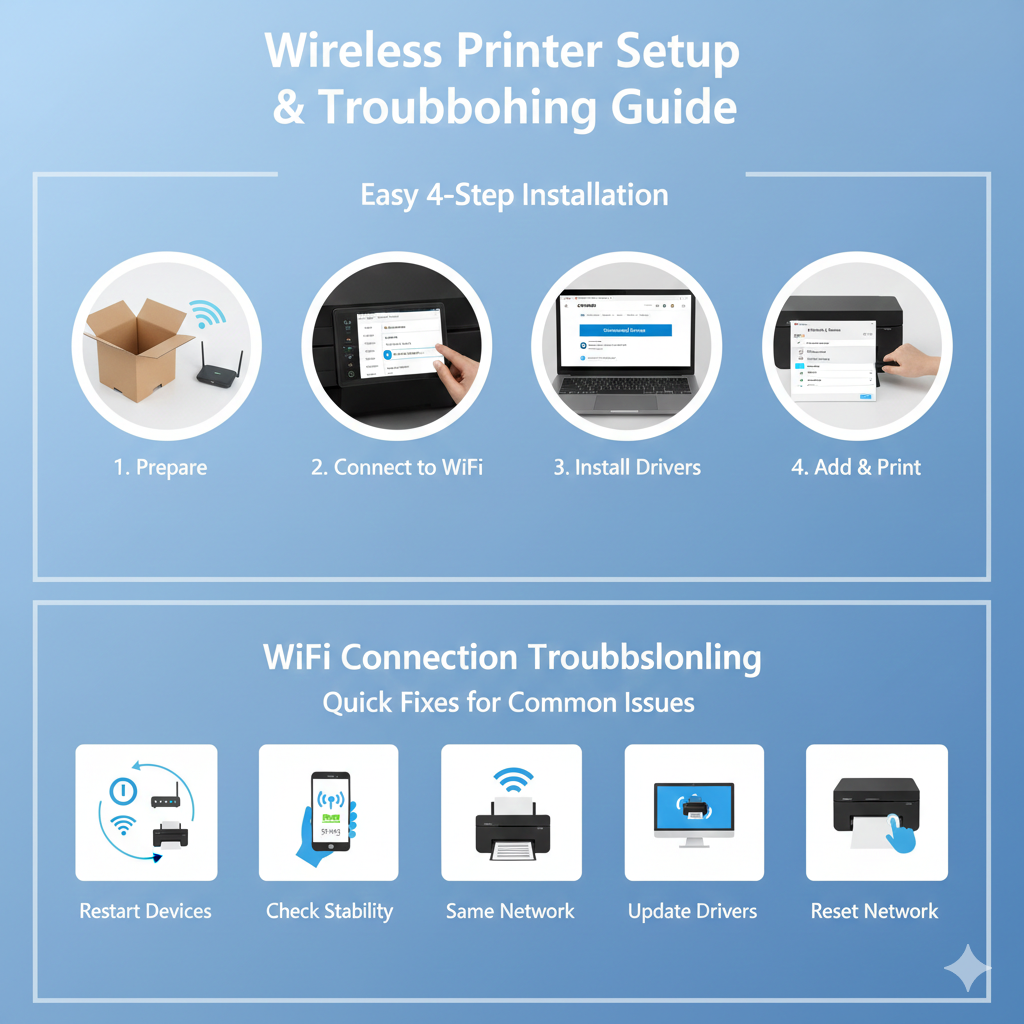
Step-by-Step Wireless Printer Setup and WiFi Connection Troubleshooting Guide

Setting up a wireless printer allows you to print from multiple devices without messy cables. Whether you are installing a new printer or reconnecting an existing one, a proper WiFi setup ensures smooth, uninterrupted printing. This step-by-step guide will help you connect your wireless printer correctly and troubleshoot common connection issues.

Step 1: Prepare Your Printer for Setup

Begin by placing your printer within range of your WiFi router. Turn the printer on and complete the initial display settings such as language and region. Make sure your wireless router is functioning properly and broadcasting a stable network signal.

If your printer was previously connected to another network, reset the network settings from the printer’s control panel before starting the setup process. This helps avoid connection conflicts.

Step 2: Connect Printer to WiFi Network

On the printer’s control panel, locate the Wireless or Network Setup option. Select “Wireless Setup Wizard” or a similar option depending on your model. The printer will search for available networks.

Choose your WiFi network name from the list and carefully enter your WiFi password. Double-check for uppercase letters and special characters. Once connected, the printer will confirm successful network access.

Many wireless printers from brands like HP, Canon, and Epson follow a similar setup process.

Step 3: Install Printer Drivers and Software

After connecting to WiFi, download the latest printer drivers from the manufacturer’s official website. Installing updated drivers ensures compatibility with your operating system and allows your computer to detect the printer correctly.

During installation, choose the “Wireless Connection” option when prompted. The software will automatically search for your printer on the same network.

Step 4: Add Printer to Your Device

On Windows, go to Settings > Devices > Printers & Scanners and select “Add a Printer.” On Mac, open System Settings > Printers & Scanners and click “Add Printer.” Your device should detect the wireless printer if both are connected to the same WiFi network.

Select your printer and complete the setup process. Print a test page to confirm successful installation.


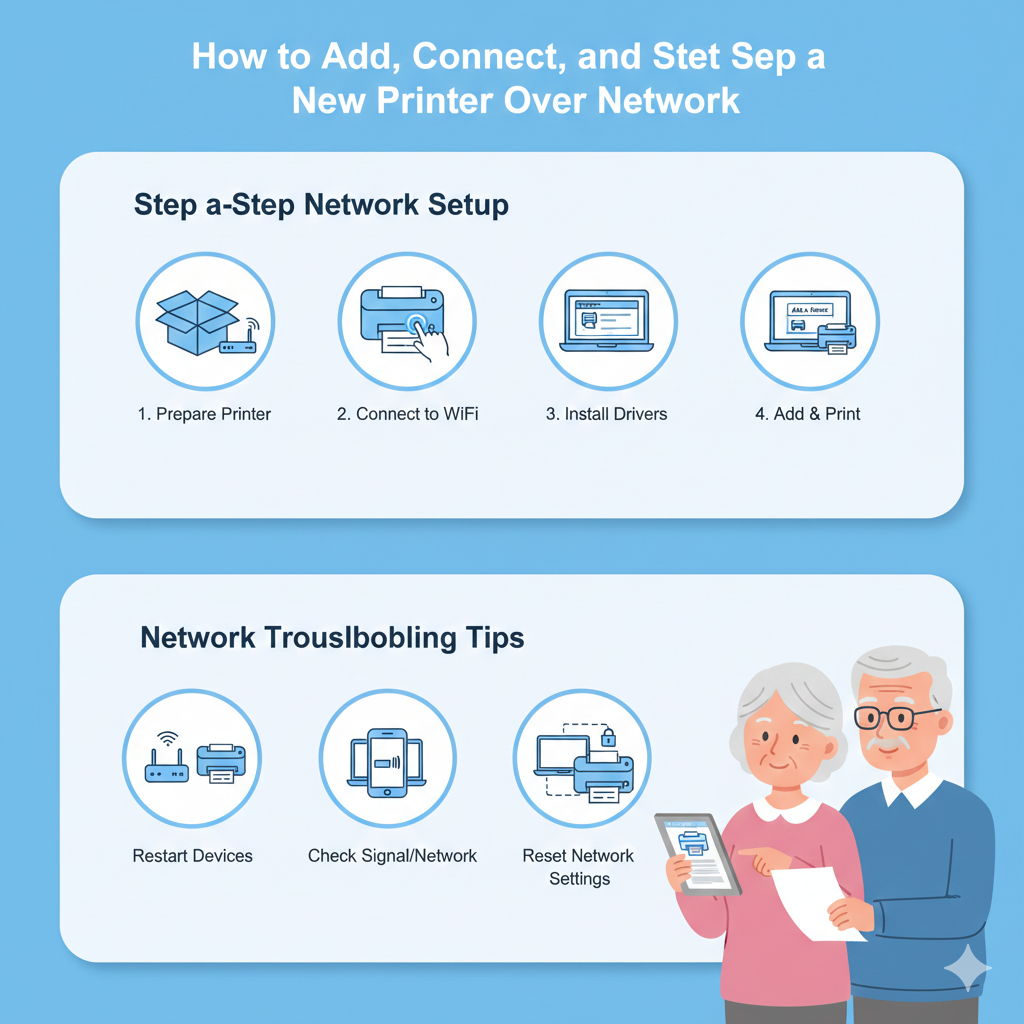
WiFi Connection Troubleshooting Tips

Even with proper setup, wireless printers may occasionally disconnect. Here are common troubleshooting solutions:

Restart Devices: Turn off your printer, router, and computer. Wait 60 seconds, then power them back on.

Check Network Stability: Ensure your internet connection is stable. Weak WiFi signals can cause printer offline issues.

Verify Same Network: Make sure your printer and device are connected to the same WiFi network.

Update Drivers: Outdated drivers can cause connection errors such as “printer driver unavailable.”

Reset Network Settings: If the printer cannot connect, reset the network settings and repeat the wireless setup process.

Wireless printing offers convenience and flexibility, but stable configuration is essential. By following these setup and troubleshooting steps, you can enjoy reliable wireless printing without unnecessary interruptions.

3

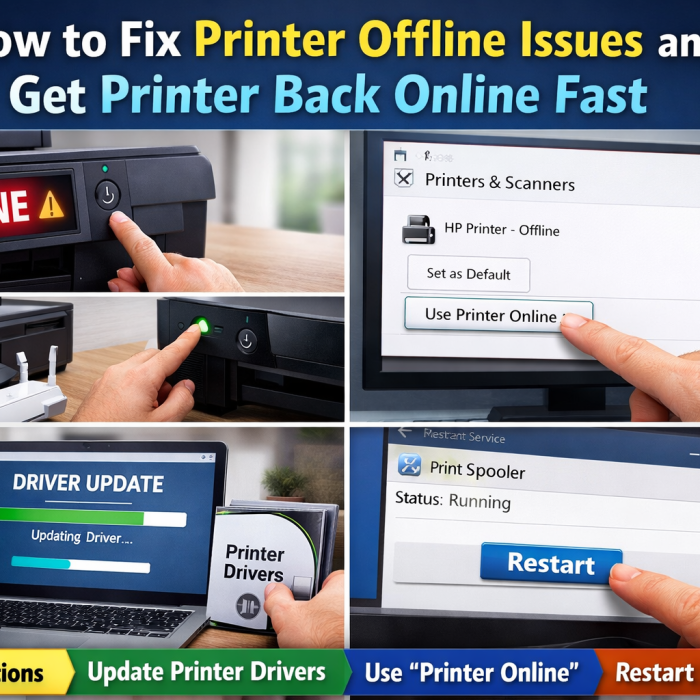
How to Fix Printer Offline Issues and Get Printer Back Online Fast

Seeing your printer marked as “offline” can be frustrating, especially when you urgently need to print an important document. Fortunately, most printer offline issues are simple to fix. With the right troubleshooting steps, you can quickly restore your printer connection and get back to printing without delays.

Check Basic Connections First

Start with the basics. Ensure your printer is powered on and not displaying any error messages. If you are using a wired connection, check that the USB or Ethernet cable is securely connected. For wireless printers, confirm that the device is connected to your WiFi network.

A quick restart often solves temporary glitches. Turn off your printer, computer, and WiFi router. Wait about 60 seconds, then turn everything back on. This refreshes network communication and can bring the printer back online.

Verify Printer Status on Your Computer

On Windows, go to Settings, then Devices, and open Printers & Scanners. Select your printer and click “Open Queue.” If you see “Use Printer Offline” checked, uncheck it. This simple step often restores the connection immediately.

On Mac, open System Settings, select Printers & Scanners, and ensure your printer is set as the default device. If the printer appears paused, resume it.

Ensure Both Devices Are on the Same Network

For wireless printing, your computer and printer must be connected to the same WiFi network. If your router has dual-band WiFi (2.4GHz and 5GHz), make sure both devices are on the same band. Network mismatches are a common cause of offline errors.

Many printers from brands like HP, Canon, and Epson include built-in network diagnostic tools. Running these tools can identify connectivity problems.

Restart the Print Spooler Service

In Windows, the Print Spooler service manages print jobs. If it stops working, your printer may show as offline. Press Windows + R, type “services.msc,” and locate Print Spooler. Right-click and select Restart. This refreshes the print queue and can resolve the issue quickly.

Update or Reinstall Printer Drivers

Outdated or corrupted drivers can cause communication problems. Visit the official manufacturer’s website and download the latest driver for your printer model. Install the updated driver and restart your computer.

If updating does not work, remove the printer from your device settings and add it again. Reinstalling the printer often resets connection settings and fixes persistent offline errors.

Clear Pending Print Jobs

Sometimes, a stuck print job causes the printer to appear offline. Open the print queue and cancel all pending jobs. Once cleared, try printing a test page.

Reset Printer Network Settings

If none of the above steps work, reset the printer’s network settings and reconnect it to WiFi using the wireless setup wizard. This restores factory network configurations and resolves hidden connectivity issues.

Printer offline errors are usually temporary and easy to fix. By checking connections, verifying network settings, updating drivers, and restarting services, you can get your printer back online fast and ensure smooth, uninterrupted printing.

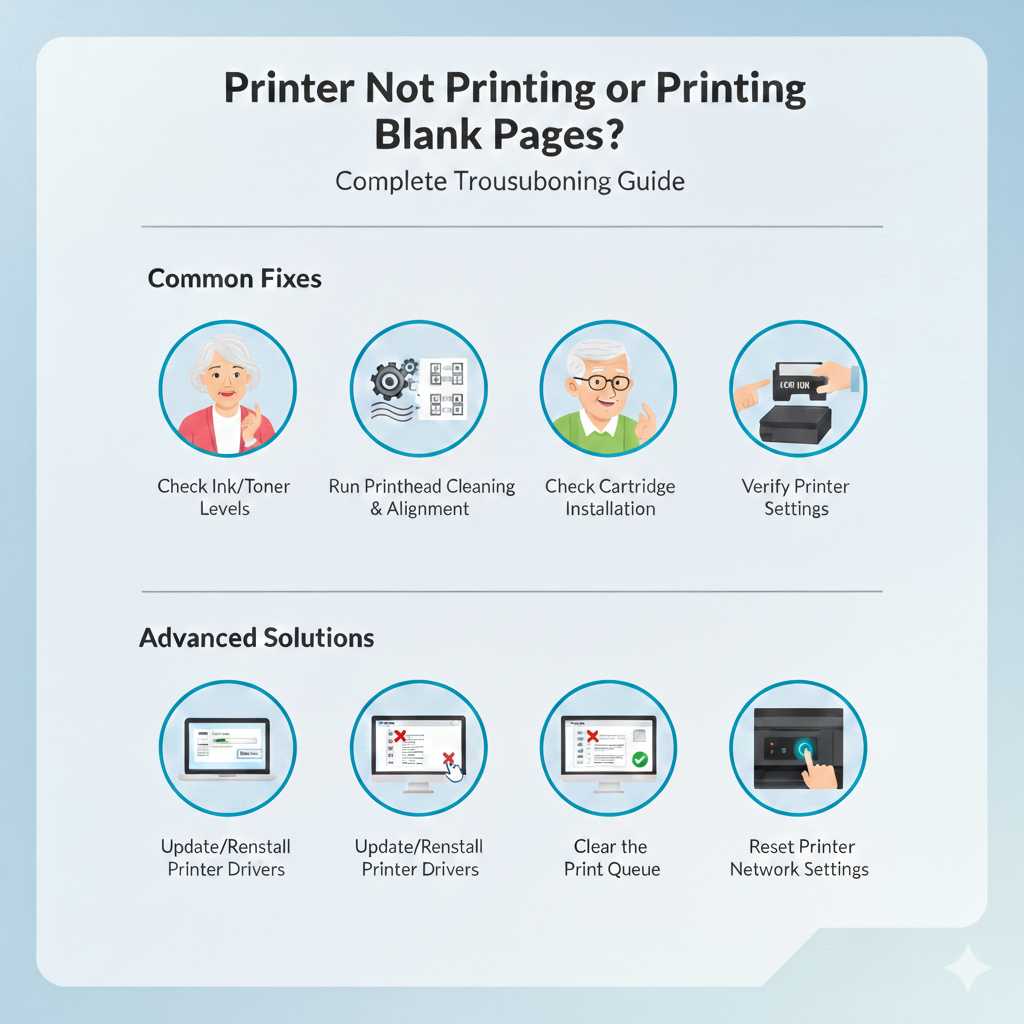
Printer Not Printing or Printing Blank Pages? Complete Troubleshooting Guide

Few things are more frustrating than sending a document to print and getting nothing — or worse, receiving completely blank pages. Whether you use your printer for home, school, or business, printing issues can interrupt productivity. The good news is that most “printer not printing” or “blank page” problems can be fixed quickly with simple troubleshooting steps.

Check Ink or Toner Levels

One of the most common reasons for blank pages is low or empty ink cartridges. Open your printer software or check the printer display panel to verify ink levels. If a cartridge is empty or nearly empty, replace it immediately.

Even if ink levels appear sufficient, cartridges may be clogged or dried out. This is especially common if the printer hasn’t been used for several weeks.

Run Printhead Cleaning and Alignment

Most modern printers include built-in maintenance tools. From the printer settings menu, run a printhead cleaning cycle. This process clears dried ink and restores proper ink flow.

After cleaning, run a printhead alignment test to ensure accurate printing. Many printers from brands like HP, Canon, and Epson offer automatic cleaning options that resolve blank page issues within minutes.

Check Cartridge Installation

Improper cartridge installation can prevent ink from transferring to paper. Open the cartridge access door and confirm that each cartridge is securely clicked into place. Remove and reinstall them if necessary.

Also, make sure you removed the protective plastic tape from new cartridges before installation. Leaving this tape on will block ink flow and result in blank prints.

Verify Printer Settings

Sometimes the issue is related to incorrect print settings. Open your print dialog box and confirm the correct printer is selected. Check that you are not printing in “Print to File” mode or using an incorrect paper size setting.

If printing in grayscale, ensure the black cartridge is not empty. Some printers require both black and color cartridges to function properly.

Update or Reinstall Printer Drivers

Outdated or corrupted drivers can prevent your printer from responding correctly. Visit the manufacturer’s official website and download the latest driver for your model. Install the update and restart your computer.

If updating doesn’t help, uninstall the printer completely and reinstall it from scratch. This resets the connection and often resolves persistent printing issues.

Clear the Print Queue

A stuck print job can block new documents from printing. Open the print queue from your device settings and cancel all pending jobs. Once cleared, send a test page to confirm proper operation.

Check Paper and Hardware Issues

Ensure paper is loaded correctly and not jammed inside the printer. Remove any jammed sheets carefully. Also, inspect the printer for warning lights or error codes displayed on the control panel.

Printer issues can seem serious, but most are caused by simple maintenance or software problems. By checking ink levels, cleaning printheads, verifying settings, updating drivers, and clearing queues, you can quickly restore normal printing and avoid unnecessary downtime.

How to Add, Connect, and Set Up a New Printer Over Network

Setting up a new printer over a network allows multiple devices to print wirelessly without physical cable connections. Whether you are installing a printer at home or in an office, proper network configuration ensures smooth performance and reliable connectivity. Follow this complete guide to add, connect, and set up your new printer over a network quickly and correctly.

Step 1: Prepare the Printer for Network Setup

Begin by unboxing your printer and removing all packaging materials. Place it near your WiFi router to ensure strong signal reception during setup. Plug in the power cable and turn the printer on. Complete the initial settings such as language, region, and date if prompted.

Install the ink cartridges that came with the printer and load paper into the input tray. Allow the printer to complete its initialization process before moving to network configuration.

Step 2: Connect Printer to WiFi Network

On the printer’s control panel, navigate to the Network or Wireless settings menu. Select the Wireless Setup Wizard option. The printer will search for available WiFi networks.

Choose your network name from the list and enter your WiFi password carefully. Once connected, the printer will confirm a successful network connection. Most printers from manufacturers like HP, Canon, and Epson follow a similar wireless setup process.

If the printer fails to connect, restart your router and try again. Ensure you are entering the correct password and that your router is not blocking new devices.

Step 3: Download and Install Printer Drivers

After connecting the printer to WiFi, install the necessary drivers on your computer. Visit the official manufacturer’s website and download the latest driver for your specific model. Updated drivers ensure compatibility with your operating system and help prevent common errors.

During installation, select the “Network” or “Wireless” connection option. The software will search for printers connected to the same network. Once detected, complete the installation process.

Step 4: Add Printer to Your Computer

On Windows, go to Settings, then Devices, and select Printers & Scanners. Click “Add a Printer or Scanner.” Your system will search for available printers on the network. Select your printer from the list and click Install.

On Mac, open System Settings and choose Printers & Scanners. Click “Add Printer” and select your network printer from the detected devices list.

Step 5: Print a Test Page

Once installation is complete, print a test page to confirm everything is working properly. Check print clarity, alignment, and connectivity.

If your printer does not appear during setup, ensure both your computer and printer are connected to the same WiFi network. Restarting devices can often resolve detection issues.

By following these steps carefully, you can successfully add, connect, and set up a new printer over your network, ensuring seamless wireless printing across all your devices.

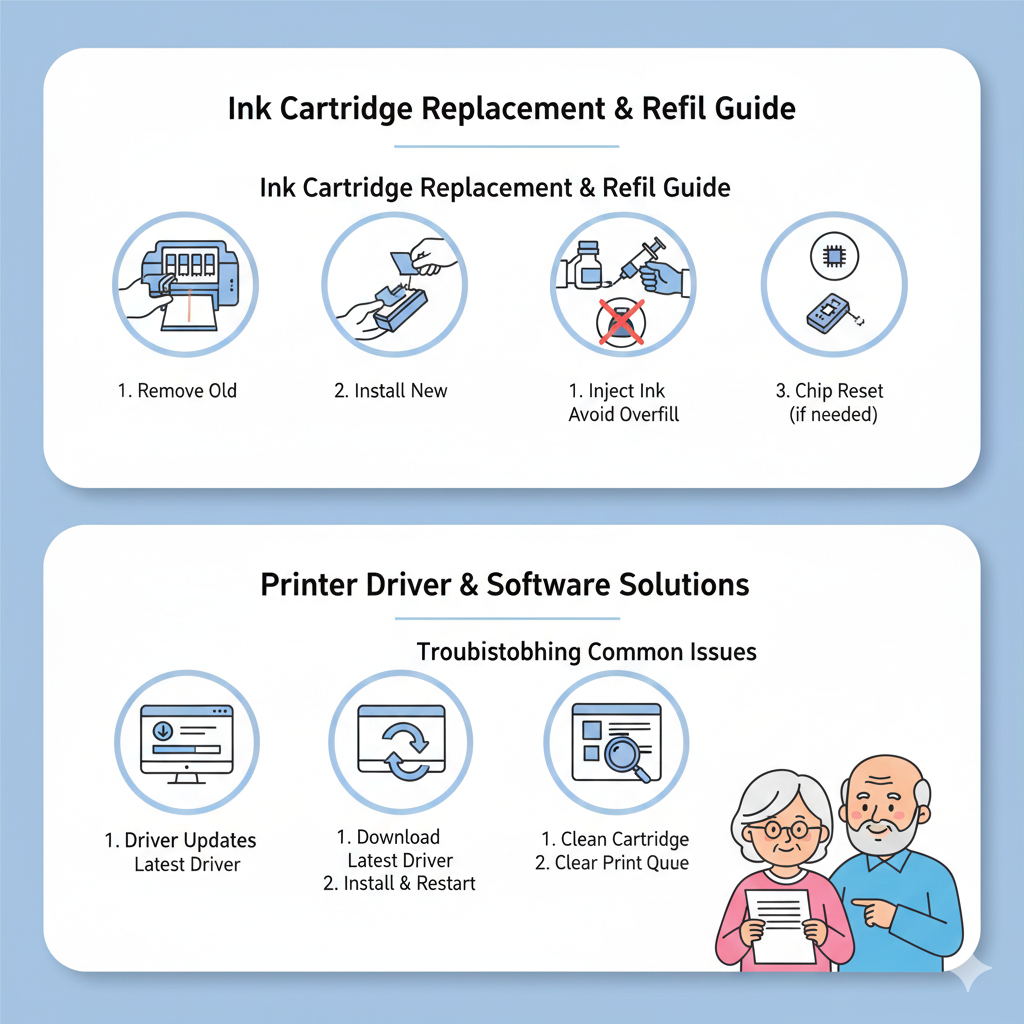
Printer Ink Cartridge Replacement, Refill Guide, and Driver Update Solutions

Printer performance depends heavily on properly functioning ink cartridges and updated drivers. Whether you are replacing an empty cartridge, refilling ink, or resolving driver errors, understanding the correct process can save time, reduce costs, and prevent printing problems. This complete guide will help you manage cartridge replacement, safe refilling practices, and driver updates efficiently.

When to Replace Your Ink Cartridge

Most printers display a low-ink warning when cartridges are running out. If you notice faded text, streaks, or blank sections on printed pages, it may be time for replacement. Always confirm ink levels through your printer software before removing cartridges.

To replace a cartridge, turn on the printer and open the cartridge access door. Wait until the carriage moves to the center. Gently remove the empty cartridge by pressing it down or releasing the locking tab. Take the new cartridge out of its packaging and remove the protective tape carefully. Insert it into the correct slot and push until it clicks securely into place. Close the access door and allow the printer to align the cartridge automatically.

Many printers from brands like HP, Canon, and Epson follow similar replacement procedures.

Safe Ink Cartridge Refilling Guide

Refilling cartridges can be a cost-effective option if done correctly. Before refilling, ensure the cartridge is designed for refilling and is not physically damaged. Use high-quality ink compatible with your specific printer model.

Wear gloves to prevent ink stains and place the cartridge on a protected surface. Carefully inject ink into the designated refill hole using a refill syringe. Avoid overfilling, as excess ink can cause leaks or printing errors. After refilling, wipe off any excess ink and reinstall the cartridge in the printer.

Keep in mind that some cartridges may require a chip reset tool to restore ink level recognition. Always follow instructions carefully to avoid damaging the cartridge.

Solving Common Cartridge Issues

If your printer does not recognize a new or refilled cartridge, remove it and reinstall it securely. Ensure the copper contacts are clean and free of dust. Run a printhead cleaning cycle if print quality appears uneven or streaky.

Sometimes, cartridge errors are software-related rather than hardware-related. That’s where driver updates become important.

Printer Driver Update Solutions

Outdated or corrupted drivers can cause problems such as “printer driver unavailable” or printer offline errors. To update your driver, visit the official manufacturer’s website and download the latest version compatible with your operating system.

Uninstall the old driver before installing the new one if problems persist. After installation, restart your computer and reconnect the printer. Updated drivers improve performance, enhance compatibility, and resolve communication issues between your device and printer.

Proper cartridge maintenance and regular driver updates ensure consistent print quality and reliable operation. By following safe replacement, careful refilling, and timely software updates, you can extend cartridge life, reduce printing costs, and keep your printer running smoothly.


Print Without Limits

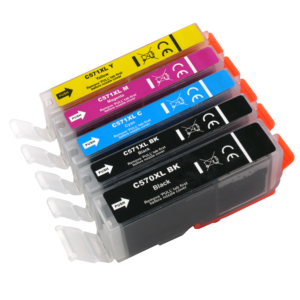
Stop worrying about expensive cartridges draining your budget. hpprint delivers high-quality remanufactured ink that produces sharp text and vibrant colors at a fraction of the original cost. Designed for consistent performance and compatibility, our cartridges help you print more pages while spending significantly less every time.

Save More Today

Why overpay for printing supplies? With hpprint, you can cut your printing costs by up to 80% without compromising quality. Our professionally tested cartridges ensure smooth installation and reliable output, making them perfect for home, school, and office use.

Reliable Print Performance

Experience smooth, consistent printing with cartridges engineered for dependable results. hpprint remanufactured ink is professionally cleaned, refilled, and rigorously tested to ensure sharp text and vibrant color output. Whether for important documents or everyday printing, you can count on stable performance and impressive page yield every time.

Grab 25% Savings Today

Protected Transactions Guaranteed

Handpicked Products

Why Customers Trust Us

Rated 5 out of 5
I run a small coaching center, and printing costs used to be very high. Since switching to hpprint, I’ve reduced my monthly expenses significantly without compromising print quality. The cartridges work perfectly, and delivery is always on time.

Karan Malhotra
Jaipur

Limited Time – Save 15% on Ink Cartridges!

Take advantage of this exclusive offer and enjoy 15% off on all premium remanufactured ink cartridges. Experience sharp prints, vibrant colors, and reliable performance at a fraction of the original price. Don’t miss this opportunity to stock up, save more, and print smarter — while supporting eco-friendly printing solutions.

Rated 5 out of 5
hpprint offers exactly what they promise — affordable and reliable ink. The colors are vibrant, and installation was simple. I appreciate the eco-friendly approach as well. Definitely recommending this to my friends and colleagues.

Meera Nair
Kochi